Thursday, March 28, 2013

Easing Brain Fatigue With a Walk in the Park

Scientists have known for some time that the human brain’s ability to stay calm and focused is limited and can be overwhelmed by the constant noise and hectic, jangling demands of city living, sometimes resulting in a condition informally known as brain fatigue.
With brain fatigue, you are easily distracted, forgetful and mentally flighty — or, in other words, me.
But an innovative new study from Scotland suggests that you can ease brain fatigue simply by strolling through a leafy park.
Link

Wednesday, March 27, 2013

The Destructive Influence of Imaginary Peers

We humans irrationally think we’re rational. We think that we decide how to behave by weighing the pros and cons. In reality, the strongest influence on our decisions is the example of the people around us — even, oddly enough, when they are imaginary.

(..)

 Bad behavior is usually more visible than good.  It’s what people talk about, it’s what the news media report on, it’s what experts focus on.  Experts are always trying to change bad behavior by warning of how widespread it is, and they take any opportunity to label it a crisis.  “The field loves talking about the problems because it generates political and economic support,” said Perkins.

This strategy might feel effective, but it’s not — it simply communicates that bad behavior is the social norm. Telling people to go against their peer group never works.  A better strategy is the reverse:  give people credible evidence that among their peers, good behavior is the social norm.
(..)
With social norming, you don’t tell anybody what to do.  You just tell them what people like them are doing. It’s a bit like the positive deviance approach I wrote about in February:  your focus is on spreading the word about what a community is doing right.
One of the most important keys to making social norming work is salience. “We can only hold one thing in consciousness at a time – and it is that thing that drives behavior,” said Cialdini, who is writing his next book about the topic. Success is more likely if the social norming message hits people just when they are about to make that behavioral decision.

Link

Myanmar Jarred by Peace Laureate at Military Parade

BANGKOK — Myanmar’s military asserted its role in the country’s politics at a ceremony on Wednesday that featured a prominent guest, Daw Aung San Suu Kyi, the Nobel laureate, whose presence among the generals would have been unthinkable a few years ago.

Link

Bacteria in the Intestines May Help Tip the Bathroom Scale, Studies Show

Bacteria in the Intestines May Help Tip the Bathroom Scale, Studies Show

 The bacterial makeup of the intestines may help determine whether people gain weight or lose it, according to two new studies, one in humans and one in mice. 

The research also suggests that a popular weight-loss operation, gastric bypass, which shrinks the stomach and rearranges the intestines, seems to work in part by shifting the balance of bacteria in the digestive tract. People who have the surgery generally lose 65 percent to 75 percent of their excess weight, but scientists have not fully understood why. Now, the researchers are saying that bacterial changes may account for 20 percent of the weight loss.
The findings mean that eventually, treatments that adjust the microbe levels, or “microbiota,” in the gut may be developed to help people lose weight without surgery, said Dr. Lee M. Kaplan, director of the obesity, metabolism and nutrition institute at the Massachusetts General Hospital, and an author of a study published Wednesday in Science Translational Medicine.

Link

Docs channel MacGyver, turning iPhone into a microscope to diagnose parasites


T
ORONTO - It's an accomplishment worthy of MacGyver.
Armed with only a mobile phone, some double-sided tape, a cheap ball lens and a flashlight, some doctors have jerry-rigged a microscope capable of diagnosing intestinal parasites in Tanzanian children.
(..)
Infection rates can be particularly high in poor, remote regions of developing countries. Children afflicted by these worms can suffer from chronic anemia and malnutrition, which can stunt physical growth and mental development.
To look for the eggs that develop into these parasites, the scientists typically smear a small amount of stool on a glass slide, cover it with a second, and study the magnified image using a light microscope. Those cost about $200 and require electricity — which is not a constant in some settings.
So Bogoch and his colleagues affixed an $8 ball lens to the camera lens of an iPhone, using double-sided tape. They propped slides over a cheap flashlight and examined the magnified image with the adapted iPhone's camera.

Can You Smell Obesity?


According to the latest research, it may be on your breath.
It turns out that obesity may be detectable as a gas, thanks to organisms that inhabit our gut. In a study published in the Journal of Clinical Endocrinology & Metabolism, researchers extend our knowledge about the hidden universe of the microbes that live within us to show that obesity is associated with certain populations of microbes that give off a distinctive gas.


Read more: http://healthland.time.com/2013/03/27/can-you-smell-obesity/#ixzz2OkdrAbwz


When the Box Says 'Protein,' Shoppers Say 'I'll Take It'

Protein is the buzzword that is helping sell many kinds of foods. Food companies are placing more prominent protein labels on packaging and adding protein to such products as drinks, bars and cereals.
"It's one of those rare things that has a lot of different meanings to a lot of different people and they are all positive," says Barry Calpino, vice president of breakthrough innovation for Kraft Foods Group Inc., KRFT -0.92%sellers of products from Velveeta to Planters Nuts.
(..)
A label that says protein has what researchers call a "health halo effect" that goes beyond just the promise of protein. When people see the word, they also believe the product will make them feel more full or give them energy.
(..)
When people eat food that promises to be a good source of whole grains, fiber or protein "it makes you feel smart as a consumer that you've done something good for yourself," says Doug VanDeVelde, senior vice president of food marketing and innovation for Kellogg's.
Link

Tuesday, March 26, 2013

In Africa, food staple toxin debilitates kids

MICHIGAN STATE (US) — Poorly processed cassava, a food staple in much of sub-Saharan Africa, afflicts as many as tens of millions of children with konzo, a disease with devastating physical and cognitive effects.

Link

Salesmen in the Surgical Suite

..It is not the first time patients have claimed they were harmed by Intuitive’s robotic surgical equipment, called the da Vinci Surgical System. But the Taylor case, set for trial in April, is unusual. Internal company e-mails, provided to The New York Times by lawyers for the Taylor estate, offer a glimpse into the aggressive tactics used to market high-tech medical devices and raise questions about the quality of training provided to doctors before they use new equipment on patients.
Link

Monday, March 25, 2013

Your Phone vs. Your Heart

CAN you remember the last time you were in a public space in America and didn’t notice that half the people around you were bent over a digital screen, thumbing a connection to somewhere else?

ost of us are well aware of the convenience that instant electronic access provides. Less has been said about the costs. Research that my colleagues and I have just completed, to be published in a forthcoming issue of Psychological Science, suggests that one measurable toll may be on our biological capacity to connect with other people.
Our ingrained habits change us. Neurons that fire together, wire together, neuroscientists like to say, reflecting the increasing evidence that experiences leave imprints on our neural pathways, a phenomenon called neuroplasticity. Any habit molds the very structure of your brain in ways that strengthen your proclivity for that habit.

Sunday, March 24, 2013

The Brains of the Animal Kingdom


New research shows that we have grossly underestimated both the scope and the scale of animal intelligence. Primatologist Frans de Waal on memory-champ chimps, tool-using elephants and rats capable of empathy.

(..)
A growing body of evidence shows, however, that we have grossly underestimated both the scope and the scale of animal intelligence. Can an octopus use tools? Do chimpanzees have a sense of fairness? Can birds guess what others know? Do rats feel empathy for their friends? Just a few decades ago we would have answered "no" to all such questions. Now we're not so sure.
Experiments with animals have long been handicapped by our anthropocentric attitude: We often test them in ways that work fine with humans but not so well with other species. Scientists are now finally meeting animals on their own terms instead of treating them like furry (or feathery) humans, and this shift is fundamentally reshaping our understanding.
(..)
We also may need to rethink the physiology of intelligence. Take the octopus. In captivity, these animals recognize their caretakers and learn to open pill bottles protected by childproof caps—a task with which many humans struggle. Their brains are indeed the largest among invertebrates, but the explanation for their extraordinary skills may lie elsewhere. It seems that these animals think, literally, outside the box of the brain.
Octopuses have hundreds of suckers, each one equipped with its own ganglion with thousands of neurons. These "mini-brains" are interconnected, making for a widely distributed nervous system. That is why a severed octopus arm may crawl on its own and even pick up food.
Similarly, when an octopus changes skin color in self-defense, such as by mimicking a poisonous sea snake, the decision may come not from central command but from the skin itself. A 2010 study found gene sequences in the skin of cuttlefish similar to those in the eye's retina. Could it be: an organism with a seeing skin and eight thinking arms?


Saturday, March 23, 2013

Washed Away

This review in the NY Times by Cheryl Strayed  is deeply affecting...Will be getting this book...Uvealblues

Sonali Deraniyagala’s extraordinary memoir, “Wave,” opens on the morning of Dec. 26, 2004, as the author putters around a Sri Lankan beach-side hotel with her family. By chapter’s end she’s pantless, half-drowned, bleeding, bruised and numbly resistant to what she’ll soon be forced to know: The five people she loves most in the world are dead. Her two young sons. Her husband. Her parents. All of them killed by a force she can’t yet comprehend, though she was caught up in it and nearly killed by it too. She only knows that “something came for us.” It was, as she and the world will soon learn, a tsunami of epic scale that took an estimated 230,000 lives across a dozen countries.

So begins the most exceptional book about grief I’ve ever read. In prose that’s immaculately unsentimental and raggedly intimate, Deraniyagala takes us deep into her unfathomable loss.
(..)
That she allows us to experience that same alertness without smothering us in sorrow is the miracle of this beautiful book. I was thunderstruck by Deraniyagala’s loss, yes, but most of all by her ability to reveal the whole “outlandish truth” of her grief, to write about a tragedy so bewilderingly complete that, nearly a decade out, “it still seems far-fetched, my story, even to me

Link

Thursday, March 21, 2013

21 Extreme Close Ups of the Human Eye


Born in 1976, Suren Manvelyan started to photograph when he was sixteen and became a professional photographer in 2006. His photographic interests span from Macro to Portraits, Creative photo projects, Landscape, and much more. Suren’s photos have been published in numerous magazines and newspapers in Armenia and worldwide.
His project, entitled Your beautiful eyes, is currently the most viewed project of all time on Behance with 2,999,655 views and is the second most ‘appreciated’ project of all time with 70,140 likes.

10 Detailed Close-Ups of Animal Eyes


We’ve already featured the incredible macro photography of Suren Manvelyan before, showcasing his series on human eyes. This time we check out Suren’s masterful collection of animal eye close-ups. While this post and the one prior focus on Suren’s macro work, his talent spans to portraits, landscapes and other creative photo projects which you can see on his personal website and portfolio on Behance.
Lama

Wednesday, March 20, 2013

Violins ‘sing’ in multiple languages

TEXAS A&M (US) —When creating violins, the Italian masters Stradivari and Guarneri tried to impart specific vowel sounds to the instruments, but new research shows only two of the vowels were in their native language.

Friday, March 15, 2013

Personalized Brain Transplants: Skin Cells to Brain Cells Achieved in Primates

This stem cell technology could have great utility in a wide variety of retinal disease..
Uvealblues

In many ways the Holy Grail in transplantation is to convert a body’s own cells into stem cells, turn those into neural cells, and then integrate them into functional circuitry within the brain. Until now, only pieces of that puzzle have been possible. Su-Chun Zhang, who was the first to convert embryonic stem cells (ESCs), and later induced pluripotent stem cells (iPSCs) into neurons, has now demonstrated that these iPSCs can be successfully introduced into the brain — in other words, he has achieved autologous (self to self), tumorless, indefinite, and functional neuro-transplantation.
Link

Ten Bets You Will Always Win

Professor Richard Wiseman, creator of the popular "10 Bets You Will Always Win" series on YouTube, talks about the psychology that makes these bets nearly foolproof.
Link


Eat Your Heart Out


Over the last several decades, it has become accepted wisdom that consuming saturated fat, the type found in meat and butter, is bad for you. Starting in the 1960s, studies showed convincingly that saturated fat raises cholesterol levels and that these elevated levels, especially of low-density lipoprotein cholesterol, or LDL (the so-called bad cholesterol), increase heart disease. Studies also showed that consuming polyunsaturated fats — safflower, corn and soybean oils — reduced people’s levels of overall cholesterol and LDL and should be encouraged.
But new studies may be upending those assumptions

Tuesday, March 12, 2013

The New Power of Memory


Sharp Recall Skills Prove Key to Future Success; Some Excel at 'Mental Time Travel

(..)
Researchers at the University of California, Los Angeles found that students who engaged in detailed simulation of studying for a test—imagining all the steps involved in studying—ended up doing better on the exam than those who simply imagined doing well.

Hard Math: Adding Up Just How Little We Actually Move


Working out at the gym might not be enough to stay fit if you spend much of the rest of the day sitting down.
Americans are more sedentary than ever, government surveys show. That is a problem even among people who exercise regularly.
(..)
Americans on average take 5,117 steps a day, according to a 2010 study published in the journal Medicine & Science in Sports & Exercise. A good daily goal, by contrast, is 10,000 steps, according to the American Heart Association and other experts. Research studies have found that such a regimen results in modest weight loss, improved glucose tolerance in people at risk of developing diabetes and other benefits, says David Bassett Jr., co-author of the 2010 study and a professor in the department of kinesiology, recreation and sport studies at the University of Tennessee.
(..)
A study that followed more than 240,000 adults over 8½ years found that watching a large amount of television was associated with a higher risk of death, including from cardiovascular disease—even for participants who reported seven or more hours a week of moderate-to-vigorous exercise. The research, published in 2012 in the American Journal of Clinical Nutrition, used TV viewing and overall sitting time as a proxy for sedentary behavior.

Tuesday, March 05, 2013

Wanna Play? Computer Gamers Help Push Frontier Of Brain Research


People can get pretty addicted to computer games. By some estimates, residents of planet Earth spend 3 billion hours per week playing them. Now some scientists are hoping to make use of all that human capital and harness it for a good cause.
Right now I'm at the novice level of a game called EyeWire, trying to color in a nerve cell in a cartoon drawing of a slice of tissue. EyeWire is designed to solve a real science problem — it aims to chart the billions of nerve connections in the brain,
(..)
At least Seung is hoping that's what people will think. But before he tackles the human brain, Seung wants to explore a simpler collection of cells: the ones in the back of the eyes of mice. So he and his colleagues created EyeWire, which looks at the neural connections in the eye. So far about 35,000 people have registered witheyewire.org to play.
"Anyone sitting in their living room can just fire up a web browser and look at images of neurons, and help us figure out how they're connected," he says.
Link


Baby Cured of HIV for the First Time, Researchers Say


Baby Cured of HIV for the First Time, Researchers Say

A Mississippi baby born with the AIDS virus appears to have been cured after being treated with an aggressive regimen of drugs just after her birth 2½ years ago, an unusual case that could trigger changes in care for hundreds of thousands of babies born globally each year with HIV.
The findings, reported Sunday by researchers, mark only the second documented case of a patient being cured of infection with the human immune-deficiency virus. The first, an adult man known as the Berlin patient, was cured as a result of a 2007 bone-marrow transplant.
(..)
The chance an infected pregnant woman will transmit the virus to her baby during gestation, birth or breast-feeding ranges from 15% to 45%, according to WHO. But treatment with antiretroviral therapy during pregnancy and especially around the time of birth cuts the risk of mother-to-child transmission to below 2%. Still, estimates are that between 300,000 and 400,000 infants are born globally each year with the infection, about 90% of them in resource-poor countries in sub-Saharan Africa.

Sunday, March 03, 2013

It’s the Sugar, Folks


Sugar is indeed toxic. It may not be the only problem with the Standard American Diet, but it’s fast becoming clear that it’s the major one.
A study published in the Feb. 27 issue of the journal PLoS One links increased consumption of sugar with increased rates of diabetes by examining the data on sugar availability and the rate of diabetes in 175 countries over the past decade. And after accounting for many other factors, the researchers found that increased sugar in a population’s food supply was linked to higher diabetes rates independent of rates of obesity.

In other words, according to this study, obesity doesn’t cause diabetes: sugar does.

Wednesday, February 27, 2013

The flaws of electronic records


Drexel University's Scot Silverstein is a leading critic of the rapid switch to computerized medical charts, saying the notion that they prevent more mistakes than they cause is not proven.

New Smaller, Cheaper PCR Machine for Disease Diagnosis in Remote Parts of The World

Back in 2006, researchers at Caltech created a relatively small and cheap PCR machine that was commercialized as the Eco device and sold for $13,000. This was a breakthrough, allowing public health professionals to screen people effectively during a viral epidemic like that experienced from H5N1 bird flu.
(..)
The team hopes that the final version of the device will cost within $1000 and each test it performs will be around $5.
Link

Swishing with mouthwash might make a big difference in dental health

THE QUESTION Might regular use of a germ-killing mouthwash add to the dental health benefits expected from brushing and flossing?
(..)
After six months, both plaque and gingivitis had declined more among people using the germ-killing mouthwash than among the others. The same was true for bleeding from their gums. Plaque had declined 26 percent more for those using the antiseptic mouthwash than for the placebo users. Among teeth that had plaque problems at the start of the study, 51 percent of those cleaned with the antiseptic mouthwash had less plaque at the end of the study vs. 12 percent of those cleaned with the placebo. A measurable improvement in gingivitis was found for 98 percent of those in the antiseptic mouthwash group vs. only 30 percent of the others.
(..)
After six months, both plaque and gingivitis had declined more among people using the germ-killing mouthwash than among the others. The same was true for bleeding from their gums. Plaque had declined 26 percent more for those using the antiseptic mouthwash than for the placebo users. Among teeth that had plaque problems at the start of the study, 51 percent of those cleaned with the antiseptic mouthwash had less plaque at the end of the study vs. 12 percent of those cleaned with the placebo. A measurable improvement in gingivitis was found for 98 percent of those in the antiseptic mouthwash group vs. only 30 percent of the others.
Link

Monday, February 25, 2013

The Quest to Create a Bionic Eye Gets Clearer


Restoring sight to the blind has proved particularly challenging for scientists, but a new technology combining an eye implant and video-camera-enabled glasses may soon be available in the U.S.
Researchers have been pursuing the development of such a bionic eye for decades, in some cases spending hundreds of millions of dollars to tackle engineering challenges. One device designed to help people with a rare eye condition is awaiting U.S. regulatory approval. It is known as Argus II, made by Second Sight Medical Products Inc. of Sylmar, Calif. Other researchers, including at the Massachusetts Institute of Technology and Stanford University, continue to work on what they believe are even more sophisticated versions.
(..)
The patients most likely to benefit from these devices are those with retinitis pigmentosa, a rare disease that damages and kills the cells in the retina—a tissue layer at the back of the eye—that process light. For people with the condition, their vision grows increasingly blurry until they eventually can't see at all. Some 100,000 patients in the U.S. have the condition.
Another group of patients who may find such technology useful, scientists say, is those with severe macular degeneration. This is an age-related disease that damages the part of the eye that perceives fine detail, according to the National Eye Institute. The various retinal prostheses under development all use video cameras to send light information to chip implants. Most of them use the data to trigger electrodes in the chip to stimulate pixels of light on the retina, which are then processed normally by the brain as images.
The technology tested to date lets the wearer primarily see in black and white. It is most useful for seeing sharp contrasts, such as the painted white line of a crosswalk on a dark road. But scientists hope that they can improve the detail to eventually enable color vision in its wearers.

Hard Wired to Hate Exercise?


To Explain Why People Don't Work Out, Scientists Look to Chemistry, Biology

Mediterranean Diet Can Cut Heart Disease, Study Finds

About 30 percent of heart attacks, strokes and deaths from heart disease can be prevented in people at high risk if they switch to aMediterranean diet rich in olive oil, nuts, beans, fish, fruits and vegetables, and even drink wine with meals, a large and rigorous new study found.
Link

Sunday, February 24, 2013

The Extraordinary Science of Addictive Junk Food


..The meeting was remarkable, first, for the insider admissions of guilt. But I was also struck by how prescient the organizers of the sit-down had been. Today, one in three adults is considered clinically obese, along with one in five kids, and 24 million Americans are afflicted by type 2 diabetes, often caused by poor diet, with another 79 million people having pre-diabetes. Even gout, a painful form of arthritis once known as “the rich man’s disease” for its associations with gluttony, now afflicts eight million Americans.
The public and the food companies have known for decades now — or at the very least since this meeting — that sugary, salty, fatty foods are not good for us in the quantities that we consume them. So why are the diabetes and obesity and hypertension numbers still spiraling out of control? It’s not just a matter of poor willpower on the part of the consumer and a give-the-people-what-they-want attitude on the part of the food manufacturers. What I found, over four years of research and reporting, was a conscious effort — taking place in labs and marketing meetings and grocery-store aisles — to get people hooked on foods that are convenient and inexpensive. I talked to more than 300 people in or formerly employed by the processed-food industry, from scientists to marketers to C.E.O.’s. Some were willing whistle-blowers, while others spoke reluctantly when presented with some of the thousands of pages of secret memos that I obtained from inside the food industry’s operations. What follows is a series of small case studies of a handful of characters whose work then, and perspective now, sheds light on how the foods are created and sold to people who, while not powerless, are extremely vulnerable to the intensity of these companies’ industrial formulations and selling campaigns.
(..)
To get a better feel for their work, I called on Steven Witherly, a food scientist who wrote a fascinating guide for industry insiders titled, “Why Humans Like Junk Food.” I brought him two shopping bags filled with a variety of chips to taste. He zeroed right in on the Cheetos. “This,” Witherly said, “is one of the most marvelously constructed foods on the planet, in terms of pure pleasure.” He ticked off a dozen attributes of the Cheetos that make the brain say more. But the one he focused on most was the puff’s uncanny ability to melt in the mouth. “It’s called vanishing caloric density,” Witherly said. “If something melts down quickly, your brain thinks that there’s no calories in it . . . you can just keep eating it forever.”
(..)
But the largest weight-inducing food was the potato chip. The coating of salt, the fat content that rewards the brain with instant feelings of pleasure, the sugar that exists not as an additive but in the starch of the potato itself — all of this combines to make it the perfect addictive food. “The starch is readily absorbed,” Eric Rimm, an associate professor of epidemiology and nutrition at the Harvard School of Public Health and one of the study’s authors, told me. “More quickly even than a similar amount of sugar. The starch, in turn, causes the glucose levels in the blood to spike” — which can result in a craving for more.

Friday, February 22, 2013

Why bodies store fat when we eat at night

VANDERBILT (US) —Insulin activity is controlled by the body’s circadian clock, which helps explain why not only what you eat, but when you eat, matters.
Link

Monday, February 18, 2013

Don’t Blink, or You’ll Miss Another Bailout

MANY people became rightfully upset about bailouts given to big banks during the mortgage crisis. But it turns out that they are still going on, if more quietly, through the back door.

The existence of one such secret deal, struck in July between the Federal Reserve Bank of New York and Bank of America, came to light just last week in court filings.
That the New York Fed would shower favors on a big financial institution may not surprise. It has long shielded large banks from assertive regulation and increased capital requirements.
Still, last week’s details of the undisclosed settlement between the New York Fed and Bank of America are remarkable. Not only do the filings show the New York Fed helping to thwart another institution’s fraud case against the bank, they also reveal that the New York Fed agreed to give away what may be billions of dollars in potential legal claims.
Here’s the skinny: Late last Wednesday, the New York Fed said in a court filing that in July it had released Bank of America from all legal claims arising from losses in some mortgage-backed securities the Fed received when the government bailed out theAmerican International Group in 2008. One surprise in the filing, which was part of a case brought by A.I.G., was that the New York Fed let Bank of America off the hook even as A.I.G. was seeking to recover $7 billion in losses on those very mortgage securities.
It gets better.

Sunday, February 17, 2013

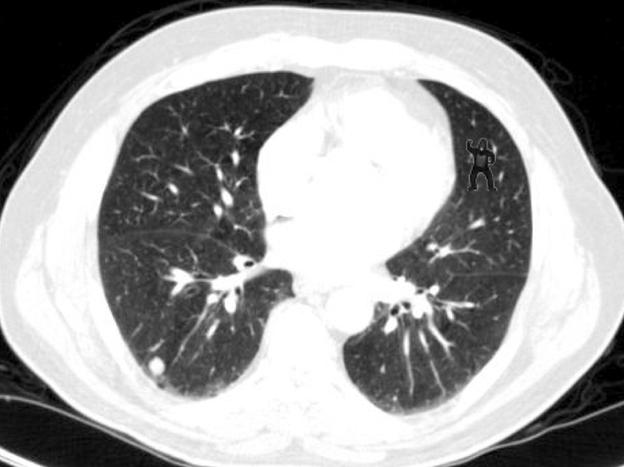
Why Even Radiologists Can Miss A Gorilla Hiding In Plain Sight


Drew wondered if somehow being so well-trained in searching would make them immune to missing large, hairy gorillas. "You might expect that because they're experts, they would notice if something unusual was there," he says.
He took a picture of a man in a gorilla suit shaking his fist, and he superimposed that image on a series of slides that radiologists typically look at when they're searching for cancer. He then asked a bunch of radiologists to review the slides of lungs for cancerous nodules. He wanted to see if they would notice a gorilla the size of a matchbook glaring angrily at them from inside the slide.
But they didn't: 83 percent of the radiologists missed it, Drew says.

Researchers Develop Sense of Infrared Sight in Rats With Goal of Bringing Visible Sight to Blind People (w/video)


Extra-sensory systems for the blind have the potential to replace eyes with another sense, and some have been built that essentially turn video into sound or tactile sensation. rat seeing infrared Researchers Develop Sense of Infrared Sight in Rats With Goal of Bringing Visible Sight to Blind People (w/video)Now researchers at Duke University Medical Center are reporting inNature Communications that they were able to create a system that combines an infrared camera and a brain implant to let rats sens infrared light, which they otherwise don’t perceive.
An implanted intracortical microstimulation neuroprostheses placed onto the somatosensory cortex of rat brains were hooked up to little infrared cameras on their heads. Whenever the camera would see infrared light, the prostheses were activated. Not long after getting used to their new gear, the rats were able to find food by looking for a bin that had an infrared light go on..

Why Can Some Kids Handle Pressure While Others Fall Apart?

An emerging field of research — and a pioneering study from Taiwan — has begun to offer some clues. Like any kind of human behavior, our response to competitive pressure is derived from a complex set of factors — how we were raised, our skills and experience, the hormones that we marinated in as fetuses. There is also a genetic component: One particular gene, referred to as the COMT gene, could to a large degree explain why one child is more prone to be a worrier, while another may be unflappable, or in the memorable phrasing of David Goldman, a geneticist at the National Institutes of Health, more of a warrior.
(..)

Some scholars have suggested that we are all Warriors or Worriers. Those with fast-acting dopamine clearers are the Warriors, ready for threatening environments where maximum performance is required. Those with slow-acting dopamine clearers are the Worriers, capable of more complex planning. Over the course of evolution, both Warriors and Worriers were necessary for human tribes to survive.
In truth, because we all get one COMT gene from our father and one from our mother, about half of all people inherit one of each gene variation, so they have a mix of the enzymes and are somewhere in between the Warriors and the Worriers. About a quarter of people carry Warrior-only genes, and a quarter of people Worrier-only.
(..)
While the studies are ongoing, the early results show those with Worrier-genes can still handle incredible stress — as long as they are well trained. Even some Navy SEALs have the Worrier genes, so you can literally be a Worrier-gene Warrior. In Kennedy’s sample, almost a third of the expert pilots were Worriers — a larger proportion than in the general population.
(..)
There are many psychological and physiological reasons that long-term stress is harmful, but the science of elite performance has drawn a different conclusion about short-term stress. Studies that compare professionals with amateur competitors — whether concert pianists, male rugby or female volleyball players — show that professionals feel just as much anxiety as amateurs. The difference is in how they interpret their anxiety. The amateurs view it as detrimental, while the professionals tend to view stress as energizing. It gets them to focus.
A similar mental shift can also help students in test-taking situations. Jeremy Jamieson, assistant professor of social psychology at the University of Rochester, has done a series of experiments that reveal how the labeling of stress affects performance on academic testing.


Link

Saturday, February 16, 2013

Relax! You’ll Be More Productive

More and more of us find ourselves unable to juggle overwhelming demands and maintain a seemingly unsustainable pace. Paradoxically, the best way to get more done may be to spend more time doing less. A new and growing body of multidisciplinary research shows that strategic renewal — including daytime workouts, short afternoon naps, longer sleep hours, more time away from the office and longer, more frequent vacations — boosts productivity, job performance and, of course, health.
(..)
Although many of us can’t increase the working hours in the day, we can measurably increase our energy. Science supplies a useful way to understand the forces at play here. Physicists understand energy as the capacity to do work. Like time, energy is finite; but unlike time, it is renewable. Taking more time off is counterintuitive for most of us. The idea is also at odds with the prevailing work ethic in most companies, where downtime is typically viewed as time wasted. More than one-third of employees, for example, eat lunch at their desks on a regular basis. More than 50 percent assume they’ll work during their vacations.
(..)

The Stanford researcher Cheri D. Mah found that when she got male basketball players to sleep 10 hours a night, their performances in practice dramatically improved: free-throw and three-point shooting each increased by an average of 9 percent.
Daytime naps have a similar effect on performance. When night shift air traffic controllers were given 40 minutes to nap — and slept an average of 19 minutes — they performed much better on tests that measured vigilance and reaction time.
Longer naps have an even more profound impact than shorter ones. Sara C. Mednick, a sleep researcher at the University of California, Riverside, found that a 60- to 90-minute nap improved memory test results as fully as did eight hours of sleep.
(..)
The difference is that during the day we move from a state of alertness progressively into physiological fatigue approximately every 90 minutes. Our bodies regularly tell us to take a break, but we often override these signals and instead stoke ourselves up with caffeine, sugar and our own emergency reserves — the stress hormones adrenaline, noradrenaline and cortisol.
Working in 90-minute intervals turns out to be a prescription for maximizing productivity. Professor K. Anders Ericsson and his colleagues at Florida State University have studied elite performers, including musicians, athletes, actors and chess players. In each of these fields, Dr. Ericsson found that the best performers typically practice in uninterrupted sessions that last no more than 90 minutes. They begin in the morning, take a break between sessions, and rarely work for more than four and a half hours in any given day.

Research Offers New Hope for Multiple Sclerosis


Scientists have converted human skin cells into brain cells and used them to treat mice with myelin disorders, a family of diseases that includes multiple sclerosis.
The research, reported Thursday, marks another promising advance for a technique known as cell reprogramming. The approach returns mature cells to an embryonic-like state, and then transforms them into various types of fresh, healthy tissue that could be used to treat diseases.

Wednesday, February 06, 2013

Gluten-Free, Whether You Need It or Not


Eat no wheat.
That is the core, draconian commandment of a gluten-free diet, a prohibition that excises wide swaths of American cuisine — cupcakes, pizza, bread and macaroni and cheese, to name a few things.
For the approximately one-in-a-hundred Americans who have a serious condition called celiac disease, that is an indisputably wise medical directive.


Now medical experts largely agree that there is a condition related to gluten other than celiac. In 2011 a panel of celiac experts convened in Oslo and settled on a medical term for this malady: non-celiac gluten sensitivity.


Nonetheless, Dr. Guandalini agrees that some people who do not have celiac receive a genuine health boost from a gluten-free diet. He just cannot say how many.
As with most nutrition controversies, most everyone agrees on the underlying facts. Wheat entered the human diet only about 10,000 years ago, with the advent of agriculture.
“For the previous 250,000 years, man had evolved without having this very strange protein in his gut,” Dr. Guandalini said. “And as a result, this is a really strange, different protein which the human intestine cannot fully digest. Many people did not adapt to these great environmental changes, so some adverse effects related to gluten ingestion developed around that time.”

Friday, February 01, 2013

1 In 10 Doctor Practices Flee Medicare To Concierge Medicine

As Medicare whacks away at what doctors are paid and health insurers move away from paying fees for service to bundled payments, more physicians who own their own practices will start direct pay or concierge medicine in the next one to three years.
(..)

The data release comes less than a month after Congress waited until the 11th hour to avoid the fiscal cliff as well as the so-called “doc fix” on Medicare payments. Even though a cut of nearly 27 percent in Medicare payments to doctors was avoided, doctors remain upset at the lack of a permanent solution for dramatic cuts to doctor payments from the Medicare health insurance program for the elderly under the sustainable growth rate formula also known as “SGR.”
Already, one in five physicians is restricting the number of Medicare patients in their practice and one in three primary care doctors – the providers on the front lines of keeping the cost of seniors’ care low – are restricting Medicare patients, according to a 2010 AMA survey of more than 9,000 physicianswho care for Medicare patients.

Link

Emotional Smarts Tied to General IQ


Emotional Smarts Tied to General IQ

Related Posts with Thumbnails

ShareThis