Showing posts with label development. Show all posts

Thursday, December 20, 2012

Slavery's Global Comeback

There are now twice as many people enslaved in the world as there were in the 350 years of the transatlantic slave trade.
Link

Monday, October 15, 2012

Looking for a Google


Can the spirit of enterprise be taught?

WORLD-BEATING companies that began in garages—think of Amazon, Apple or Google—are revered in the West. Developing countries can boast one or two examples of their own: India’s Tata and South Korea’s Samsung began life as small trading companies; Thailand’s Charoen Pokphand Group, an agri-business firm, started as a seed shop. But these are exceptions. Of the millions of small enterprises in poor countries, hardly any grow big and strong. The World Bank’s new World Development Report* looks at what can be done to help start-ups in poor countries become the next Google
(..)
The question is what can be done to improve matters. Obviously, good infrastructure and a welcoming investment climate matter. Governments have tried providing cheap loans or grants to pay the wages of an extra employee. This had no effect. Nor did giving special grants to female business owners, as happened in Ghana. But free management training did help. The trouble is that most enterprises see no point in it: asked whether lack of management expertise was a problem, only 3% of Brazilian small firms said yes.
Learning from abroad, though, makes a big difference. In 1979 Desh, a Bangladeshi garments firm, sent 130 of its staff for an eight-month course at a South Korean textile plant. At the time, Bangladesh had no textile exports and no modern industry. When the trainees got back, almost all of them set up their own firms. Today Bangladesh has 3.6m textile workers, 80% of them women, generating $13 billion of exports a year. Mr Yunus should be proud.

Tuesday, August 30, 2011

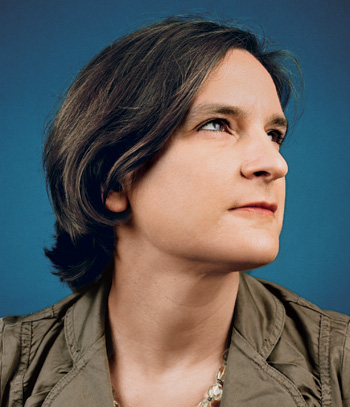
Esther Duflo Bribes India's Poor To Health

An excellent article on the realities of effective development work in Fast Company
Uvealblues
Link

Rajasthan is India's desert state, an often inhospitable place where per capita income averages around $1.77 per day. Poverty like that--understanding it and imagining ways to fix it--is what Esther Duflo lives for. Since 2003, her Abdul Latif Jameel Poverty Action Lab (named for a wealthy Saudi donor), or J-PAL, has conducted 240 randomized, controlled trials of specific ways to help the poor. She tests poverty solutions the way medical researchers test new drugs, which can violate the pieties of the philanthropic community. But she has earned a lot of respect along the way: In 2009, the MIT economist won a MacArthur "genius award" for bringing the scientific method to development work.

In Rajasthan, Duflo has been exploring whether incentives might help get more young children vaccinated.
(..)
Bribing the poor is a notion that could offend just about anyone. We all like our philanthropy pure: Give the money, volunteer at the shelter, act with good intentions, and things will just get better. That's not a mode of thinking that allows the less fortunate to have human motivations, and it's certainly not a mode of thinking that encourages us to reflect on our own flaws. But be honest--you'd probably offer your own child a piece of candy as a reward for taking her shots. If we really want to make change, we have to discard what Duflo calls our "car­toon visions" of the poor. Doing good means engaging with what people really need and getting it to them by any means necessary
Related Posts with Thumbnails

ShareThis