Sunday, September 23, 2012

The Case For Optimism

Bill Clinton's Global (Optimistic) Perspective

Our world is more interdependent than ever. Borders have become more like nets than walls, and while this means that wealth, ideas, information and talent can move freely around the globe, so can the negative forces shaping our shared fates. The financial crisis that started in the U.S. and swept the globe was further proof that--for better and for worse--we can't escape one another.
There are three big challenges with our interdependent world: inequality, instability and unsustainability. The fact that half the world's people live on less than $2 a day and a billion people on less than $1 a day is stark evidence of inequality, which is increasing in many places. We're feeling the effects of instability not only in the global economic slowdown but also in the violence, popular disruptions and political conflicts in the Middle East and elsewhere. And the way we produce and use energy is unsustainable, changing our climate in ways that cast a shadow over our children's future.
But I firmly believe that progress changes consciousness, and when you change people's consciousness, then their awareness of what is possible changes as well--a virtuous circle. So it's important that the word gets out, that people realize what's working. That where there's been creative cooperation coupled with a communitarian view of our future, we're seeing real success. That's the reason I try to bring people together every year for the Clinton Global Initiative (CGI). Here are five areas in which there has been concrete, measurable and reproducible progress.


Read more: http://www.time.com/time/magazine/article/0,9171,2125031,00.html#ixzz27KavxTyP

Eating for Health, Not Weight

ALMOST half of Americans are on a diet — not surprising, since two-thirds are overweight or obese, a frightening statistic that inspired Mayor Michael R. Bloomberg to push through a ban on large soft drinks in New York City. The country is preoccupied with calories. McDonald’s, for instance, is now posting them.
(..)

In 35 years of medical research, conducted at the nonprofit Preventive Medicine Research Institute, which I founded, we have seen that patients who ate mostly plant-based meals, with dishes like black bean vegetarian chili and whole wheat penne pasta with roasted vegetables, achieved reversal of even severe coronary artery disease. They also engaged in moderate exercise and stress-management techniques, and participated in a support group. The program also led to improved blood flow and significantly less inflammation which matters because chronic inflammation is an underlying cause of heart disease and many forms of cancer. (..)
Also, we found that it changed gene expression in over 500 genes in just three months, “turning on” genes that protect against disease and “turning off” genes that promote breast cancer, prostate cancer, inflammation and oxidative stress. 
(..)
 It’s not low carb or low fat. An optimal diet is low in unhealthful carbs (both sugar and other refined carbohydrates) and low in fat (especially saturated fats and trans fats) as well as in red meat and processed foods. 

Friday, September 21, 2012

Life Regrets Of The Dying – How To Live Life With No Regrets


Here’s a list of the five most common regrets her patients had:
  1. I wish I’d had the courage to live a life true to myself, not the life others expected of me.
  2. I wish I didn’t work so hard.
  3. I wish I’d had the courage to express my feelings.
  4. I wish I had stayed in touch with my friends.
  5. I wish that I had let myself be happier

A Digital Tool to Unlock Learning


When we think about education reform, we usually focus on teacher quality. The big battleground in education revolves around holding teachers accountable for their performance. With all the focus on teachers, however, one group that is often forgotten as a key learning resource are the students themselves.
One way to help students gain agency over their own education is through technology. Despite the Internet revolution, the field of K-12 education has been relatively slow to respond to digital media. That’s why I paid a visit last week to the site of a promising experiment in digital learning in New York: the Bea Fuller Rodgers Middle School in Washington Heights.

For Weigh Loss, Less Exercise May Be More


Most people who start working out in hopes of shedding pounds wind up disappointed, a lamentable circumstance familiar to both exercisers and scientists. Multiple studies, many of them covered in this column, have found that without major changes to diet, exercise typically results in only modest weight loss at best (although it generally makes people much healthier). Quite a few exercisers lose no weight. Some gain.
But there is encouraging news about physical activity and weight loss in anew study by researchers at the University of Copenhagen. It found that exercise does seem to contribute to waist-tightening, provided that the amount of exercise is neither too little nor, more strikingly, too much.

In ‘Obesity Paradox,’ Thinner May Mean Sicker

In research conducted to answer that question, Dr. Carnethon discovered something even more puzzling: Diabetes patients of normal weight are twice as likely to die as those who are overweight or obese. That finding makes diabetes the latest example of a medical phenomenon that mystifies scientists. They call it the obesity paradox.
Link

Sunday, September 16, 2012

Monkey, New To Science, Found In Central Africa


It would seem difficult to overlook something as large as a new species of monkey, but scientists had no idea about the lesula until just a few years ago when conservation biologist John Hart discovered a specimen being kept as a pet in the Democratic Republic of Congo.

Low And Slow May Be The Way To Go When It Comes To Dieting


If you're dieting, you know you've got to count calories, carbs and fats. But if you really want to take off the weight and keep it off, you might want to pay more attention to the glycemic index, which is essentially a measure of how quickly foods are digested.
That's because high glycemic foods cause a surge in blood sugar, followed by a crash. That biological reaction releases hormones that stimulate hunger and, according to David Ludwig of theNew Balance Foundation Obesity Prevention Center at Boston Children's Hospital, actually lower metabolism, adding up to a dismal recipe for people who want to lose weight and keep it off
Link
(..)

But Ludwig and colleagues recently published a study in theJournal of the American Medical Association that offers some tools you might use to fight back. Researchers compared the low-carb, low-fat and low-glycemic diets to see which one burned the most calories per day. The low-carb diet was the clear winner. The low-fat diet was the loser. But it was the diet in the middle, the low-glycemic index diet, that Ludwig suggests is more promising. It burned more calories per day than the low-fat diet and proved easier to stick to over the long term than the low-carb diet.

Friday, September 14, 2012

Doctor, Hospital Deals Probed


California's attorney general has launched a broad investigation into whether growing consolidation among hospitals and doctor groups is pushing up the price of medical care, reflecting increasing scrutiny by antitrust regulators of medical-provider deals.
The office of the attorney general, Kamala D. Harris, has sent subpoenas, known as civil investigative demands, to several big hospital operators in the state, including San Francisco-based Dignity Health and San Diego's Scripps Health and Sharp HealthCare. Northern California's 24-hospital Sutter Health system has also received one, as has Santa Barbara-based Cottage Health System, according to people with knowledge of the matter. Subpoenas have also gone to major California health insurers, those people said.
The probe, which has been under way for several months, is examining hospital systems' reimbursement from the insurers, according to people with knowledge of the matter. The regulator appears to be focusing on whether the systems' tie-ups with physicians, as well as ownership of hospitals, have given them the market power to boost prices in a way that violates antitrust law, these people said.


Link

Wednesday, September 05, 2012

Elephants Dying in Epic Frenzy as Ivory Fuels Wars and Profits

Rare Infection Prompts Neti Pot Warning


Neti pots — those odd teapotlike vessels used to wash out the nasal passage — have won legions of fans who rely on them for relief from allergies,congestion andcolds.
But now, after two cases of a deadly brain infection were linked to neti pots, government health officials have issued new warnings about using them safely.

Monday, September 03, 2012

Big Calorie Cuts Don't Equal Longer Life, Study Suggests

Calorie restriction confers health benefits on monkeys but doesn't increase their life span, a new study suggests, undermining some people's belief that a sharply restricted diet could help them live longer.
Link

Sunday, September 02, 2012

Father’s Age Is Linked to Risk of Autism and Schizophrenia

Older men are more likely than young ones to father a child who develops autism or schizophrenia, because of random mutations that become more numerous with advancing paternal age, scientists reported on Wednesday, in the first study to quantify the effect as it builds each year. The age of mothers had no bearing on the risk for these disorders, the study found.
(..)
The overall risk to a man in his 40s or older is in the range of 2 percent, at most, and there are other contributing biological factors that are entirely unknown.
(..)
The research team found that the average child born to a 20-year-old father had 25 random mutations that could be traced to paternal genetic material. The number increased steadily by two mutations a year, reaching 65 mutations for offspring of 40-year-old men.
The average number of mutations coming from the mother’s side was 15, no matter her age, the study found.
(..)


Dr. Stefansson said it made sense that de novo mutations would play a significant role in brain disorders. At least 50 percent of active genes play a role in neural development, so that random glitches are more likely to affect the brain than other organs, which have less exposure.
In the end, these kinds of mutations may account for 20 to 30 percent of cases of autism, and perhaps schizophrenia, some experts said. The remainder is probably a result of inherited genetic predisposition and environmental factors that are the subjects of numerous studies.

Friday, August 31, 2012

Friday, August 24, 2012

New Medical Devices Get Smart


Flu Scanner, Adjustable Prosthesis Could Help Patients Do It Themselves

Killer Bug Is Traced at NIH Hospital


Researchers unraveled a medical mystery that left six patients dead last year at the National Institutes of Health's elite research hospital, demonstrating that gene sequencing can help in the fight against hospital-acquired infections.
The NIH researchers' sleuth work—they stalked a deadly strain of antibiotic-resistant Klebsiella pneumonia through 18 patients at the agency's 243-bed Clinical Center in Bethesda, Md.—was detailed in a study published online Wednesday by Science Translational Medicine. The scientists sequenced the genes of the microbial invader to reveal its exact path from patient to patient until the deadly outbreak was contained in December.
(..)
The researchers determined that the bug was also spreading from sink drains, based on the genetic trail, possibly by splashing upward as people washed their hands. "We didn't test this possibility—we just had the plumbers take out the drain pipes," Dr. Segre said in an emai

Tango World Cup Photography

Monday, August 20, 2012

Regular Exercise Reduces Eye Disease Risk

Researchers from the University of Wisconsin have found out that regular exercise can decrease the risk of an eye disease called age-related macular degeneration (AMD).
Link

Injection therapy may help restore sight

A team of reserachers at University of california at Berkeley found a temporary return of vision to blind mice by injecting an ammonium chemical.
Link

Sunday, August 19, 2012

Vision restoration prosthesis research at Carnegie Mellon

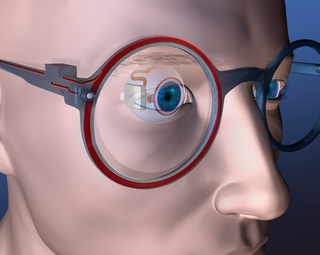
Carnegie Mellon senior systems scientist Shawn Kelly is developing a retinal prosthesis capable of restoring vision to those with degenerative eye diseases. He was recently awarded a four-year, $1.1 million grant from the U.S. Department of Veterans Affairs to continue his research.
(..)

The 15 micrometer-thick prosthesis is surgically inserted through a small incision near the back of the eye, and is held in place by the retina. Its communication coil — which allows the chip to “talk” to external devices — is attached to the sclera, or the white of the eye.
“We don’t expect significant discomfort,” Kelly said of the seemingly intrusive implant. “Other ophthalmic devices sit in this area, including scleral buckles to repair retinal detachments, and some glaucoma pressure valves.”
After surgery, a patient would wear a pair of eyeglasses with a camera fitted into its frame. The camera connects to a portable image processor, which wirelessly transfers a compressed version of the captured image data to the implanted device. The prosthesis then sends stimulating signals to the appropriate retinal nerves, creating a pixelated form of the original image.

Friday, August 17, 2012

Common parasite may trigger suicide

People who test positive for a common parasite—previously thought to be harmless—are seven times more likely to attempt suicide, a new study shows.
Link

Tuesday, August 14, 2012

Blind Mice Given Sight After Device Cracks Retinal Code

This is pretty cool..
Uvealblues

Blind mice had their vision restored with a device that helped diseased retinas send signals to the brain, according to a study that may lead to new prosthetic technology for millions of sight-impaired people.
(..)
Nirenberg and co-author Chethan Pandarinath first monitored healthy eyes to determine the set of equations that translate light received by the retina into something the brain can understand. Then, they used special glasses to create a similar code and deliver it to the eye, which they had injected with a virus containing light-sensitive cells. The cells received the code and fired electric impulses, which the brain could interpret as images.
Link

Lake Tahoe clearer, but more complicated

Despite an extreme weather year, clarity at Lake Tahoe improved in 2011, but underlying trends show the overall picture is more complex than previously thought.
Link

In Your Eyes: What They Reveal About Your Health

As a retina specialist, I probably diagnose an unknown systemic disease once a week...
The eye is one of the few organs not covered by skin, so we get direct insight into what is going on in a person's body when we look into their eyes...
Uvealblues

Because the body's systems are interconnected, changes in the eye can reflect those in the vascular, nervous and immune system, among others. And because the eyes are see-through in a way other organs aren't, they offer a unique glimpse into the body. Blood vessels, nerves and tissue can all be viewed directly through the eye with specialized equipment.

With regular monitoring, eye doctors can be the first to spot certain medical conditions and can usher patients for further evaluation, potentially leading to earlier diagnosis and treatment. 
(..)
The American Academy of Ophthalmology recommends eye examinations whenever individuals notice any vision changes or injury. Adults with no symptoms or known risk factors for eye disease should get a base line exam by age 40 and return every two to four years for evaluations until their mid-50s. From 55 to 64, the AAO recommends exams every one to three years, and every one to two years for those 65 and older.
Link

Friday, August 10, 2012

Why Stressed-Out Men Prefer Heavier Women


Most men prefer leggy and lean women, Gisele Bündchen lookalikes, right? Not necessarily. In fact, the body type that a man finds attractive can change depending on his environment and circumstances, a new study finds: when under stress, for instance, men prefer heavier women.
The study, published in the journal PLoS ONE, reports that when men were placed in stressful situations, then asked to rate the attractiveness of women of varying body sizes, they tended to prefer beefier frames, compared with unstressed men whose tastes skewed thinner.
“This suggests that our body size preferences are not innate, but are flexible,” said study co-author Martin Tovée of Newcastle University in the U.K., in an email, noting that they may be influenced by our particular environment and resources.


Read more: http://healthland.time.com/2012/08/09/why-stressed-out-men-prefer-heavier-women/#ixzz239PnVNti


Thursday, August 09, 2012

Orbis

Raising Successful Children

 ...the optimal parent is one who is involved and responsive, who sets high expectations but respects her child’s autonomy. These “authoritative parents” appear to hit the sweet spot of parental involvement and generally raise children who do better academically, psychologically and socially than children whose parents are either permissive and less involved, or controlling and more involved. Why is this particular parenting style so successful, and what does it tell us about overparenting?
Link

Chart of the day, HFT edition


This is an amazing graph. Go to the link to see a full explanation
Uvealblues
This astonishing GIF comes from Nanex, and shows the amount of high-frequency trading in the stock market from January 2007 to January 2012. (Which means that the Knightmare craziness of last week is not included.)
The various colors, as identified in the legend on the right, are all the different US stock exchanges. You might think there are only two stock exchanges in the US, but you’d be wrong: there are only two exchanges where stocks are listed. There are many, many more exchanges where stocks are traded.

Wednesday, August 08, 2012


Steve Mann is considered by many to be the world’s first cyborg. He has been using wearable computers that assist his vision since the 1970s. Now he wears a display screen over his right eye and is connected to a computer and the Internet. In this edited interview, he discusses “mediated reality”; the coming wearable-computing wars among Apple, Google and RIM; and the brain-computer interface.
Are you the first cyborg?

Friday, July 27, 2012

Life of a Nantucket Surgeon

Dr. Lepore sounds like a great doctor whose practice of medicine reminds me of what it is often like to practice in the third world.
Uvealblues


In her new book, “Island Practice,” the New York Times reporter Pam Belluck tells the story of Dr. Timothy Lepore, a quirky 67-year-old physician who for the past 30 years has been the only surgeon working on the island of Nantucket. But Dr. Lepore (rhymes with peppery) is no ordinary surgeon. Life on an island, even one that has become a summer playground to the rich and famous, requires a certain amount of resourcefulness and flexibility.
Link

Blink and Block: Eye Makeup Adds SPF

Eye creams with SPF are standard fare — the skin around the eyes, after all, is among the most delicate and wrinkle-prone on the body — and now eye makeup is getting a boost of sun protection too. More and more concealers, and a few eye shadows, too, are claiming to ward off harmful UVA and UVB rays.
Link

Monday, July 23, 2012

Rat Heart Cells And Electricity Power This Silicone Cyborg Jellyfish

Yup, scientists have put all those crazy things together into one creature, with the hopes of one day finding a way to grow new parts of the human heart.

The New Science Behind America's Deadliest Diseases

What do heart disease, diabetes, Alzheimer's, stroke and cancer have in common? Scientists have linked each of these to a condition known as chronic inflammation, and they are studying how high-fat foods and excess body weight may increase the risk for fatal disorders.
Link
Inflammation is the body's natural response to injury and outside irritants. But when the irritants don't let up, because of a diet of high-fat foods, too much body fat and smoking, for example, the immune system can spiral out of control and increase the risk for disease. Experts say when inflammation becomes chronic it can damage heart valves and brain cells, trigger strokes, and promote resistance to insulin, which leads to diabetes. It also is associated with the development of cancer.
(..)
"We've learned that abdominal fat tissue is a hotbed of inflammation that pours out all kinds of inflammatory molecules," Dr. Libby says. The most important step patients can take is to lose excess weight, which can reduce inflammation in a matter of weeks or months, he says.
(..)

Greater dietary fiber consumption was associated with lower levels of C-reactive protein and other markers in the blood that signal inflammation, according to a new study involving nearly 600 adolescents published in the Journal of Clinical Endocrinology and Metabolism. Norman Pollock, a researcher at Georgia Health Sciences University and a co-author of the study, says one explanation may be that fiber is associated with higher levels of a protein hormone that improves insulin sensitivity, which in turn lowers levels of inflammation.
A combination of nutrients found in dairy food may also help ease inflammation in patients at risk for heart disease, stroke and diabetes. 

Sunday, July 22, 2012

The Situation of Success

As Bryan explained to me, “it’s not that people’s ideology doesn’t matter, it’s just that their views on important issues can move around significantly depending on how they think about their own success. When they’re focused on their own talent and effort, they’re much less willing to contribute to the common good than when they pause to recognize that luck and help from other people played a big part in their ability to succeed.”
Link
Via Simoleon Sense

Saturday, July 21, 2012

View from the International Space Station at Night

From Knate Myers: "Every frame in this video is a photograph taken from the International Space Station. All credit goes to the crews on board the ISS.
I removed noise and edited some shots in photoshop. Compiled and arranged in Sony Vegas.
Music by John Murphy - Sunshine (Adagio In D Minor)
itunes.apple.com/us/album/sunshine-music-from-motion/id297702863"


View from the ISS at Night from Knate Myers on Vimeo.

Thursday, July 19, 2012

Nanoparticle Completely Eradicates Hepatitis C Virus

Researchers at the University of Florida (UF) have developed a nanoparticle that has shown 100 percent effectiveness in eradicating the hepatitis C virus in laboratory testing. 
The nanoparticle, dubbed a nanozyme, consists of a backbone made from gold nanoparticles and a surface with two biological components. One biological component is an enzyme that attacks and destroys the mRNA, which provides the recipe for duplicating the protein that causes the disease. The other biological part is the navigator, if you will. It is a DNA oligonucleotide that identifies the disease-related protein and sends the enzyme on course to destroy it.
Link

The Humans With Super Human Vision


An unknown number of women may perceive 
millions of colors invisible to the rest of us. One British scientist is trying to track them down and understand their extraordinary power of sight.

LinkResearchers suspect, though, that some people see even more. Living among us are people with four cones, who might experience a range of colors invisible to the rest. It’s possible these so-called tetrachromats see a hundred million colors, with each familiar hue fracturing into a hundred more subtle shades for which there are no names, no paint swatches. And because perceiving color is a personal experience, they would have no way of knowing they see far beyond what we consider the limits of human vision.

Sunday, July 15, 2012

Troubled New York Hospitals Forgo Coverage for Malpractice


Several of the city’s most troubled hospitals are partially or completely uninsured for malpractice, state records show, forgoing what is considered a standard safeguard across the country.
Some have saved money to cover their liabilities, but others have used up their malpractice reserves, meaning that any future awards or settlements could come at the expense of patients’ care, and one hospital has closed its obstetric practice, in part out of fear of lawsuits.
Executives of these hospitals, most of which are in poor neighborhoods, say their dire financial circumstances and high premiums make it impractical to pay millions of dollars a year for insurance.

Joan Didion, “On Self-Respect”

Although to be driven back upon oneself is an uneasy affair at best, rather like trying to cross a border with borrowed credentials, it seems to me now the one condition necessary to the beginnings of real self-respect. Most of our platitudes notwithstanding, self-deception remains the most difficult deception.
(..)
In brief, people with self-respect exhibit a certain toughness, a kind of mortal nerve; they display what was once called character, a quality which, although approved in the abstract, sometimes loses ground to other, more instantly negotiable virtues. The measure of its slipping prestige is that one tends to think of it only in connection with homely children and United States senators who have been defeated, preferably in the primary, for reelection. Nonetheless, character – the willingness to accept responsibility for one’s own life – is the source from which self-respect springs.
Link

Friday, July 13, 2012

The Eyes Have It: Marketers Now Track Shoppers' Retinas


To find out what really draws their test shoppers' attention, companies likeProcter & Gamble Co., PG +1.81%Unilever UL +1.58% PLC and Kimberly-Clark Corp. KMB +0.62% are combining three-dimensional computer simulations of product designs and store layouts with eye-tracking technology. And that, in turn, is helping them roll out new products faster and come up with designs and shelf layouts that boost sales.
(..)

Falling costs are helping to make the use of such technology more commonplace. A retina-tracking camera embedded in the rim of a computer screen and attached to special glasses or free standing typically costs $25,000 to $40,000, Dr. Wedel says. The information it collects can be used to form a "heat map" that uses color to show where people looked on a simulated shelf.
Some companies also attach bands to testers' heads to monitor brain-wave activity showing which designs trigger pleasurable responses, says David Johnston, a senior vice president at JDA Software Group Inc. JDAS +1.46%Companies also track involuntary facial expressions to gauge true emotional reaction, says Jonathan Asher, an executive vice president at marketing firm Perception Research Services International Inc.

Vital Signs "We Can Take His Heart Out, Remove the Tumor, and Put It Back In"


My own heart sank. Primary tumors, which originate in tissues rather than spreading there from some other place in the body, are uncommon in the heart. They occur in less than 0.05 percent of autopsies. Seventy-five percent of them are benign, but this one did not look harmless. Benign tumors typically grow out from the surface of the cardiac wall like a mushroom on a stalk; malignant tumors look more like a bulge of varying thickness in the wall. Most cardiac surgeons will encounter only a few benign primary tumors in a career, and many will never deal with a malignant one.
“If we were to think about removing it,” I asked, “how would we approach it?”
“How old is the patient?”
“Thirty-seven,” I answered.
“Any history of coronary disease?”
“The transfer notes don’t mention anything.”
“Good,” said Mike. “There might be one way to remove this, but it is drastic. We can take his heart out of his body, remove the tumor, reconstruct the heart, and put it back in.”
“Okay…wow,” was all I could say.

Thursday, July 12, 2012

Where is Matt 2012

What a a great idea Matt has...and has been living...
Uvealblues

Seeking a Laptop? What You Need to Know

David Pogue (NYtimes) guide to laptop shopping


So here’s a guide to help you figure out what’s worth paying attention to, and what you can skip.
Link

Obama’s Fantastic Boring Idea


The latest from Kristof..
The farm fields here are cemeteries of cornstalks: a severe drought has left them brown, withered and dead. Normally, a failed crop like that signifies starvation.
Then television cameras arrive and transmit images of famished children into American and European living rooms. Emergency food shipments are rushed in at huge expense.
Yet there is a better way, and it’s unfolding here in rural Malawi, in southern Africa. Instead of shipping food after the fact, the United States aid agency, U.S.A.I.D., has been working with local farmers to promote new crops and methods so that farmers don’t have to worry about starving in the first place.
(..)
President Obama has made agriculture a focus of his foreign aid programs with mixed results. On the plus side, these initiatives are smart, cost-effective and potentially transformative. On the negative side, they’re boring. At a time when there’s a vigorous political debate in America about foreign aid, outreach to African farmers doesn’t wow Congress or the American people.
But if it’s boring, it’s also succeeding. I’m on my annual win-a-trip journey with a university student — this year, it’s Jordan Schermerhorn of Rice University — and we have seen fields here being irrigated for the first time, powered by foot pedal treadle pumps (resembling elliptical machines from an American gym).

In Dieting, Magic Isn’t a Substitute for Science

We asked Dr. Jules Hirsch, emeritus professor and emeritus physician in chief at Rockefeller University, who has been researching obesity for nearly 60 years, about the state of the research. Dr. Hirsch, who receives no money from pharmaceutical companies or the diet industry, wrote some of the classic papers describing why it is so hard to lose weight and why it usually comes back.
Link
(..)

What would you tell someone who wanted to lose weight?
I would have them eat a lower-calorie diet. They should eat whatever they normally eat, but eat less. You must carefully measure this. Eat as little as you can get away with, and try to exercise more.

Wednesday, July 11, 2012

EyeMusic Sensory Substitution System to Help Navigate World in Audio

Researchers at Hebrew University in Jerusalem, Israel have developed a new, more intuitive way for blind people to perceive and interact with objects in the environment around them.  EyeMusic is a sensory substitution device (SSD) that converts visual input into audio output, and many have been attempted before. According to a study just published in journalRestorative Neurology and Neuroscience, EyeMusic is an effective system that users can quickly learn to use and that may one day lead to an effective interface for blind people.
Link

To treat genes, apply directly to the skin


Scientists have shown that they can deliver gene-regulation technology directly through the skin with regular moisturizers.
This first-time demonstration of the method indicates its great potential for life-saving therapies for skin cancers, say the researchers, who were led by a physician-scientist and a chemist from the fields of dermatology and nanotechnology.
Link

Tuesday, July 10, 2012

A Life-Death Predictor Adds to a Cancer’s Strain

In May 2011, Cassandra Caton, an 18-year-old with honey-colored hair and the soft features of a child, suddenly went blind in her right eye. Five months later, an ophthalmologist noticed something disturbing. A large growth in the back of her eye had ripped her retina, destroying her vision.


He sent her to Washington University in St. Louis, a three-hour drive from her sparsely furnished apartment in the working-class town of Sedalia, Mo.
And there, Ms. Caton, mother of a 2-year-old daughter, wife of a chicken factory worker, got almost incomprehensibly bad news. The growth was cancer, a melanoma, and it was so huge it filled her eyeball.
“Am I going to die?” Ms. Caton asked. “Is my baby going to have a mommy in five years?”
It is a question that plagues cancer patients. Doctors try to give survival odds based on a tumor’s appearance and size, but often that is just an educated guess.
But Ms. Caton had a new option, something that became possible only in this new genetic age. She could have a genetic test of her tumor that could reveal her prognosis with uncanny precision. The test identifies one of two gene patterns in eye melanomas. Almost everyone in Class 1 — roughly half of patients — is cured when the tumor is removed. As for those in Class 2, 70 to 80 percent will die within five years. Their cancers will re-emerge as growths in the liver. For them, there is no cure and no way to slow the disease.
No test has ever been so accurate in predicting cancer outcomes, researchers said.

Monday, July 09, 2012

Bees can 'turn back time,' reverse brain aging


Scientists at Arizona State University have discovered that older honey bees effectively reverse brain aging when they take on nest responsibilities typically handled by much younger bees. While current research on human age-related dementia focuses on potential new drug treatments, researchers say these findings suggest that social interventions may be used to slow or treat age-related dementia. In a study published in the scientific journal Experimental Gerontology, a team of scientists from ASU and the Norwegian University of Life Sciences, led by Gro Amdam, an associate professor in ASU's School of Life Sciences, presented findings that show that tricking older, foraging bees into doing social tasks inside the nest causes changes in the molecular structure of their brains.

Don't Indulge. Be Happy

The catch is that additional income doesn’t buy us any additional happiness on a typical day once we reach that comfortable standard. The magic number that defines this “comfortable standard” varies across individuals and countries, but in the United States, it seems to fall somewhere around $75,000. Using Gallup data collected from almost half a million Americans, researchers at Princeton found that higher household incomes were associated with better moods on a daily basis — but the beneficial effects of money tapered off entirely after the $75,000 mark.
(..)

Yes, and it’s not even close. When we follow up with people who receive cash from us, those whom we told to spend on others report greater happiness than those told to spend on themselves. And in countries from Canada to India to South Africa, we find that people are happier when they spend money on others rather than on themselves.
(..)
To be clear, having more goldfish (or more gold) doesn’t decrease our happiness — those first few crackers may provide a genuine burst of delight. But rather than focusing on how much we’ve got in our bowl, we should think more carefully about what we do with what we’ve got — which might mean indulging less, and may even mean giving others the opportunity to indulge instead.

A New Treatment’s Tantalizing Promise Brings Heartbreaking Ups and Downs


Mrs. McDaniel, the 69-year-old wife of a retired corporate executive, had gambled on the ultimate in personalized medicine, an approach known as whole genome sequencing, and it seemed to be paying off.
Scientists had compared the entire genetic sequences of the tumor cells invading her body with those in her healthy cells, searching for mutated tumor genes that could be thwarted by drugs approved for other cancers or even other diseases. That had led them to give her an expensive drug approved just a month earlier formelanoma patients. It had never been given to anyone with a blood cell cancer like hers. In theory, the drug should have killed her. Instead, it seemed to have halted or even reversed her cancer.
But would it last? And what would it mean if it did not?
Related Posts with Thumbnails

ShareThis